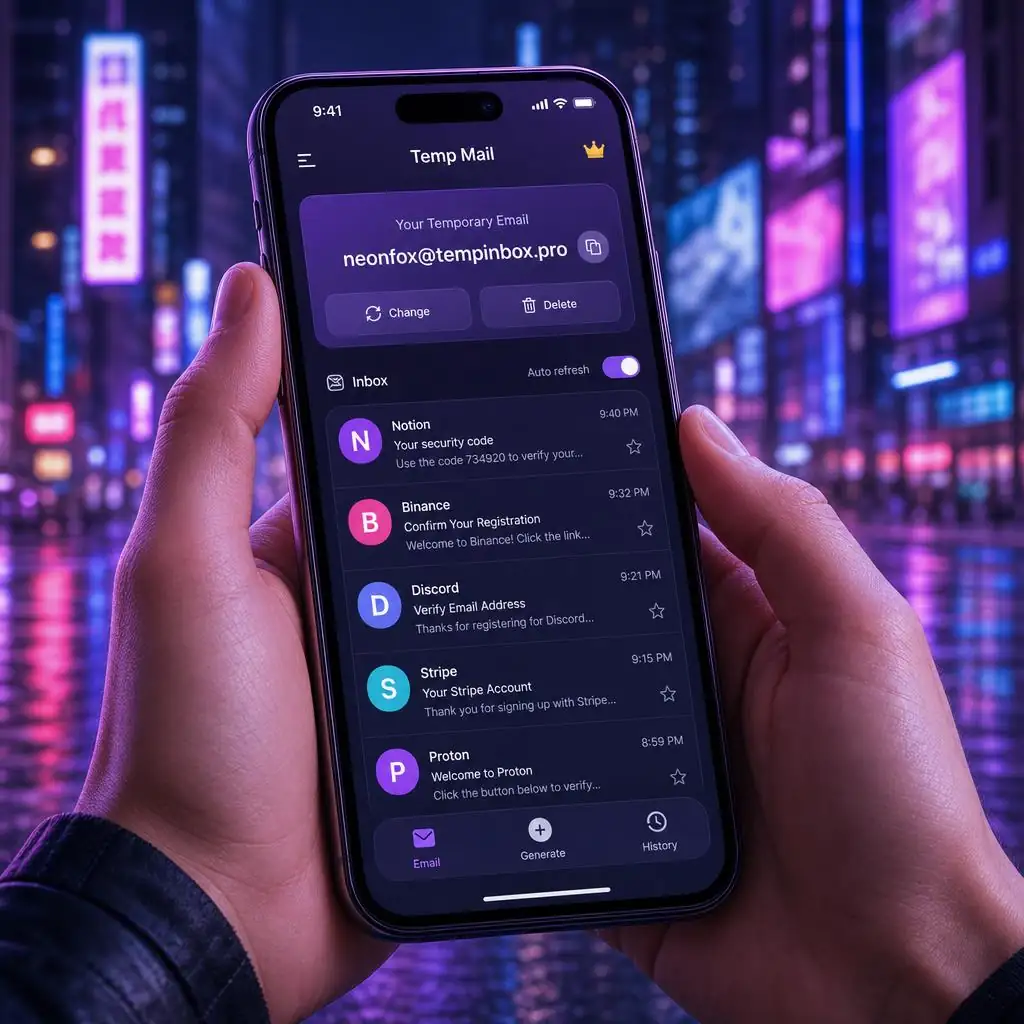
University life means signing up for dozens of new services every semester. Here is why students should use a temporary email for non-essential signups — and how to do it without losing access to the things that matter.
University is the period in most people's lives when they sign up for the most new services in the shortest time — course platforms, food delivery apps, student discount portals, streaming trials, accommodation booking sites, event ticketing, campus apps, research tools. Each signup is a small decision about who gets your address. Most of them do not deserve your real one.
Why students are a high-value target for marketers
Students are attractive to marketers for two reasons: they represent a customer acquisition opportunity (brand loyalty built in university can last decades) and they frequently have spending money in the form of loans, parental support, or part-time income. An address collected by a discount or deals site rarely stays with that one site: it is typically shared with the brands and partners whose offers it promotes.
What to use a real address for at university
- Your university's official email — you typically do not control this one anyway.
- Essential university systems: learning management platforms, library access, exam results, official correspondence.
- Banking and financial services — always your real, recoverable address.
- Job application accounts and professional networks where your identity should be consistent.
What to use a temp address for at university

- Student discount portals where you just want the code, not the ongoing marketing.
- Free software trials for tools you are testing for coursework.
- Online event registrations and one-off webinar signups.
- Research tool trials, academic paper gating, conference registrations.
- Any app you are testing once to see if it is worth using.
The three-address setup that works for most students
- University address: only for the university itself and for services that genuinely need proof you are a student, such as academic software licences and library databases.
- Personal address: a permanent mailbox you own, for banking, scholarship and admission portals, job and internship applications, your phone and cloud accounts, and anything you want to keep after you graduate.
- Temporary address: for one-off signups where you need a single confirmation email and nothing after it.
The graduation problem nobody warns you about
Many universities switch off student mailboxes some time after graduation, or convert them to a limited alumni account. Every account you registered with that address then loses its recovery route. Students discover this when they try to reset a password two years later and the reset email goes to a mailbox that no longer exists. The fix is easy while you are still enrolled: in your final semester, go through your password manager or search your inbox for "welcome" and "verify", and move anything you want to keep onto your personal address.
The same logic is why a temporary inbox is the wrong home for anything long-lived. It is safe only for accounts you would not miss.
Shared computers: labs, libraries and hostels
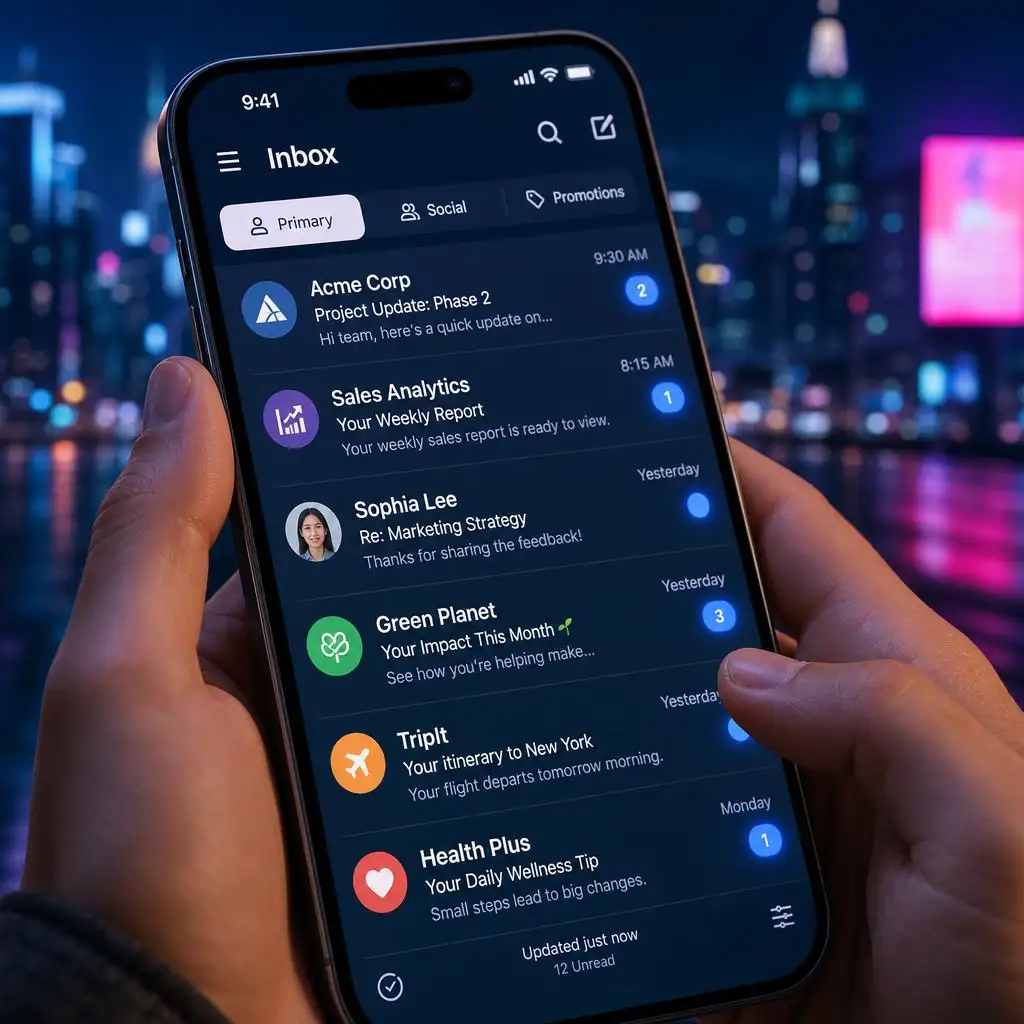
On your own phone, the browser remembers a Tmail inbox so you can come back to it. On a lab or library computer that convenience works against you: the next person to sit down may find the inbox still open. On any shared machine, use a private browsing window, never let the browser save the inbox password, and close the window when you are done. If you will need the inbox again, keep the address and password in your own notes, not on that computer.
A semester-start checklist
- Before each new signup, decide which of the three addresses it deserves. It takes five seconds and saves months of clutter.
- For a temporary signup, copy the inbox credentials before you leave the page.
- Give every account its own password. Never reuse your university portal password anywhere else.
- Turn on two-factor authentication for the university account and your personal email.
- At the end of term, unsubscribe from or close the trial accounts you did not keep.
When a temp address is the wrong call
- Group projects and shared documents: classmates need to reach you, and Tmail cannot send or reply.
- Anything you submit for marks or need a certificate from, such as online courses and exam platforms.
- Scholarship, visa, admission and fee-payment portals.
- Any service whose terms require a university address or your real identity. Use the address it asks for.
Frequently Asked Questions
Can I use a temp email to get student discounts?
Most student discount portals verify student status via a university email, not a temp inbox. You typically need your real university email to prove status. The temp email is more useful for services that just want any working email for signup.
Will my university email replace the need for a temp email?
Your university email is a real address tied to your academic identity — it is not disposable, though many universities close it after you graduate. Use it for official university correspondence. Use Tmail for low-trust external signups.
Should I sign up for online courses with a temp email?
No, if you want the certificate or your progress. Course platforms tie both to the account email, and you will need to log in again for months. Use your personal permanent address.
Is it safe to open a temp inbox on a university lab computer?
Yes, with care: use a private window, do not let the browser save the password, and close the window when you finish. Otherwise the next user may find the inbox open.
What happens to my Tmail inbox after I graduate?
Guest mailbox lifetime is not guaranteed. Save the address and password securely if you may need the inbox later, but use a durable address for important academic or account recovery needs; registration does not promise permanent retention.
#temp email students#disposable email university#student email privacy#burner email college#student online privacy